
Cloud Palline | The First Year of the "Personal Agent": From Digital Twin to AI Agent Workforce — Online Session Successfully Held
Enterprises are exploring the use of digital workers to extract key insights from lengthy reports, automate cross-spreadsheet comparisons and data analysis, and progressively move toward decision-making and execution.
Artificial intelligence is reshaping the way people work and how organisations are structured at an unprecedented pace. From the earliest chatbots to tools that help complete specific tasks, and now to agents capable of autonomous planning and execution, the evolution of AI has moved from a technical concept to real-world application. Today, the ability to collaborate with AI and turn agents into genuine working partners has become an essential capability.
On 21 March 2026, the first session of the Palline Cloud AI Series, Inaugurating the Era of the Personal Agent in 2026 — Building Your Own Dedicated Working Partnerwas officially launched. Palline's chief data scientist, Dr Gao, outlined the evolution of AI from chatbots to assistants, explained the underlying logic and application boundaries of AI technology, and helped participants build a clear technology map.

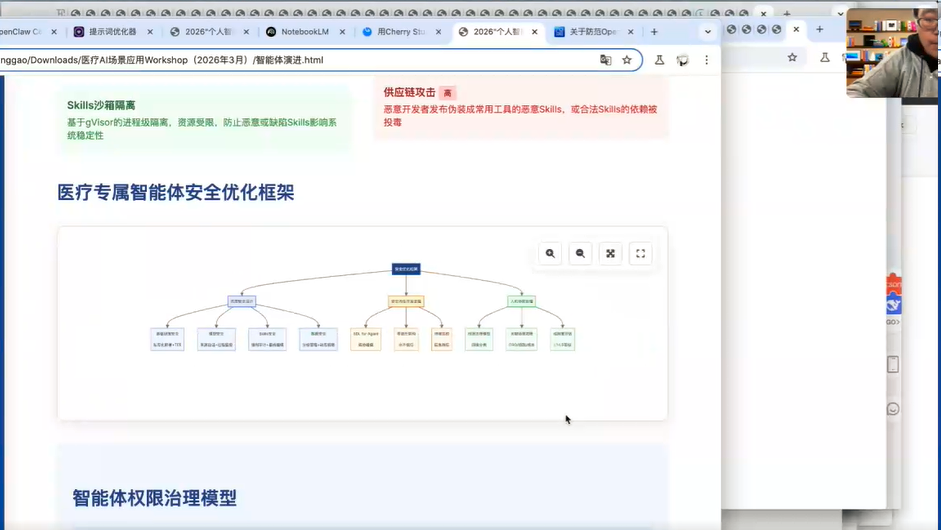
While embracing the powerful capabilities of AI, it is equally important to establish a robust safety framework.

Dr Gao dedicated a specific section to safety protocols for using AI, clarifying what is and is not permissible across four dimensions: data privacy, regulatory boundaries, usage traceability and accountability.

AI: From tool to partner

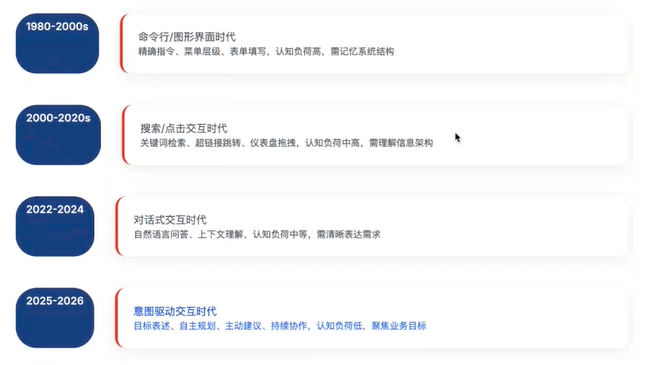
The session divided the evolution of AI technology into four stages. The first stage, the Chatbots era, centred on conversational interaction but struggled to address complex issues or execute tasks. The second stage, the Copilot era, saw language models grow more capable and begin to take on specific tasks such as retrieval, organisation, generation and refinement, although humans still led the workflow. The third stage, the Agent era, brought autonomous planning and execution: agents can decompose complex tasks, invoke different tools and interfaces, drive work forward proactively and decide their own path within a defined objective. The fourth stage, the Assistant era, will evolve into systems that deeply understand complex requirements and possess long-term memory and contextual awareness, moving from simply executing commands to a true shift from tool to partner.
Understanding the product form of agents
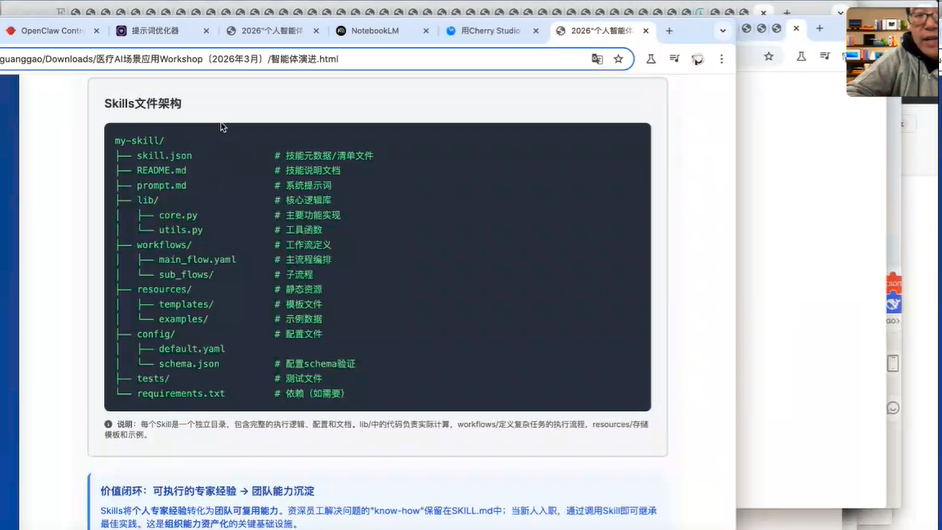

The three-layer core architecture of a personal agent is key to moving from a tool mode to a capability mode. The identity layer defines the role, including name, scope of responsibility and target users, and uses structured files to set functional boundaries and clarify responsibilities. On this foundation, the operation layer defines the set of capabilities that can be invoked, including functional modules and external interfaces, and executes specific tasks through on-demand invocation. The memory layer builds an experience accumulation mechanism, continuously recording feedback, adjustment logs and preference settings to enable self-optimisation and progressively align with individual or team working habits and knowledge.


Skills have become the standard unit for capability packaging. Enterprises are using AI agent workforce to distil the core insights of lengthy reports, automate cross-tabular comparisons, deliver in-depth data analysis, and increasingly to participate in autonomous decision-making and execution. Today, the key to making AI perform work does not necessarily lie in mastering operational techniques, but in learning how to delegate effectively: breaking tasks down clearly, defining objectives precisely and specifying boundaries fully — in other words, the ability to manage agents.



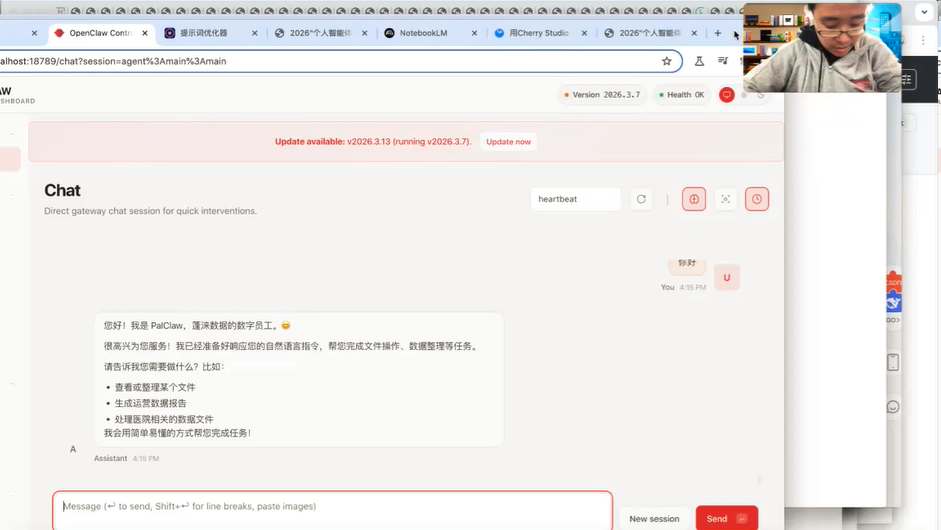
Business insight
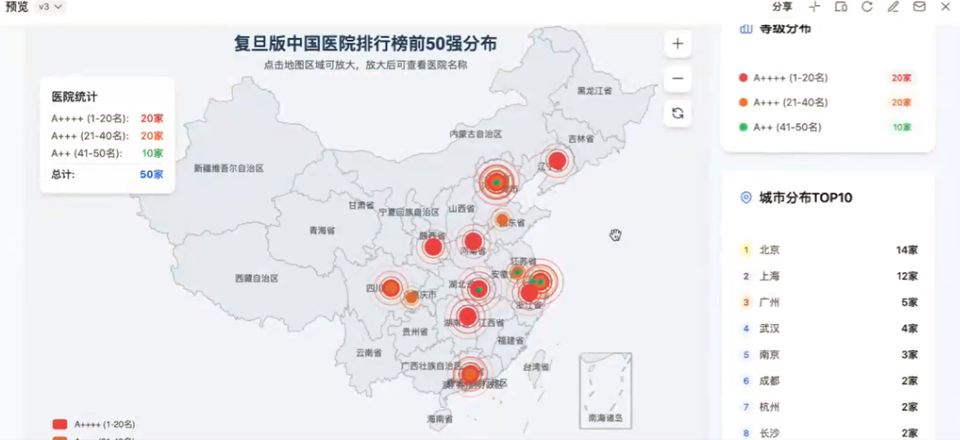
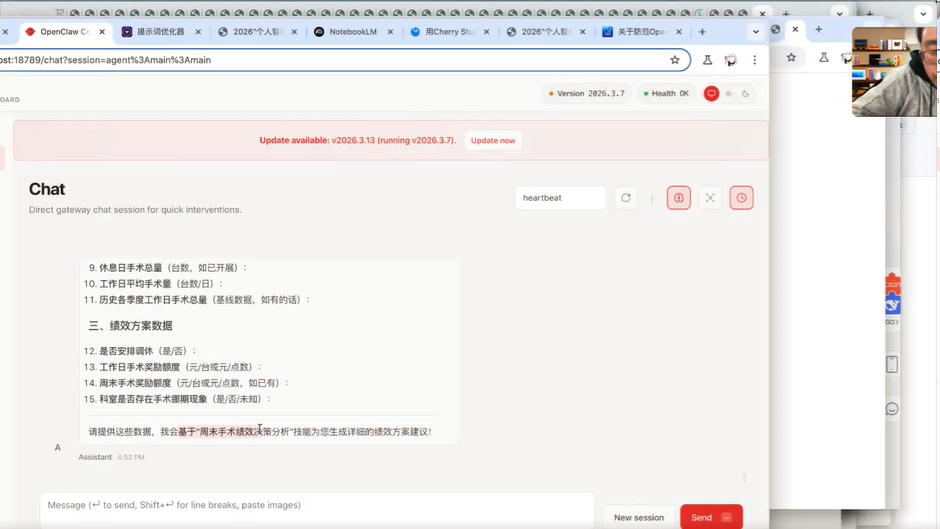
[Demonstration and learning] The session also introduced several highly representative practical examples. For instance, when a performance consultant designs an incentive scheme for a hospital in a specific scenario, several core questions typically need to be addressed: how to motivate the relevant medical groups, how to prevent artificial adjustments to routine work arrangements in pursuit of rewards, how to ensure fair coverage of collaborating teams, and how to stay within budget. Under traditional methods, designers often need to review large volumes of material, perform manual calculations and engage in repeated communication — a process that is time-consuming and prone to omissions. With AI support, the designer only needs to describe the requirements clearly to quickly obtain multiple alternative calculation plans for comparison. In risk-simulation scenarios, AI can further provide proactive alerts based on the data — for example, recommending differentiated safeguard mechanisms and a reasonable allocation of control priorities — thereby compensating, to a certain extent, for potential omissions in key aspects of scheme design.