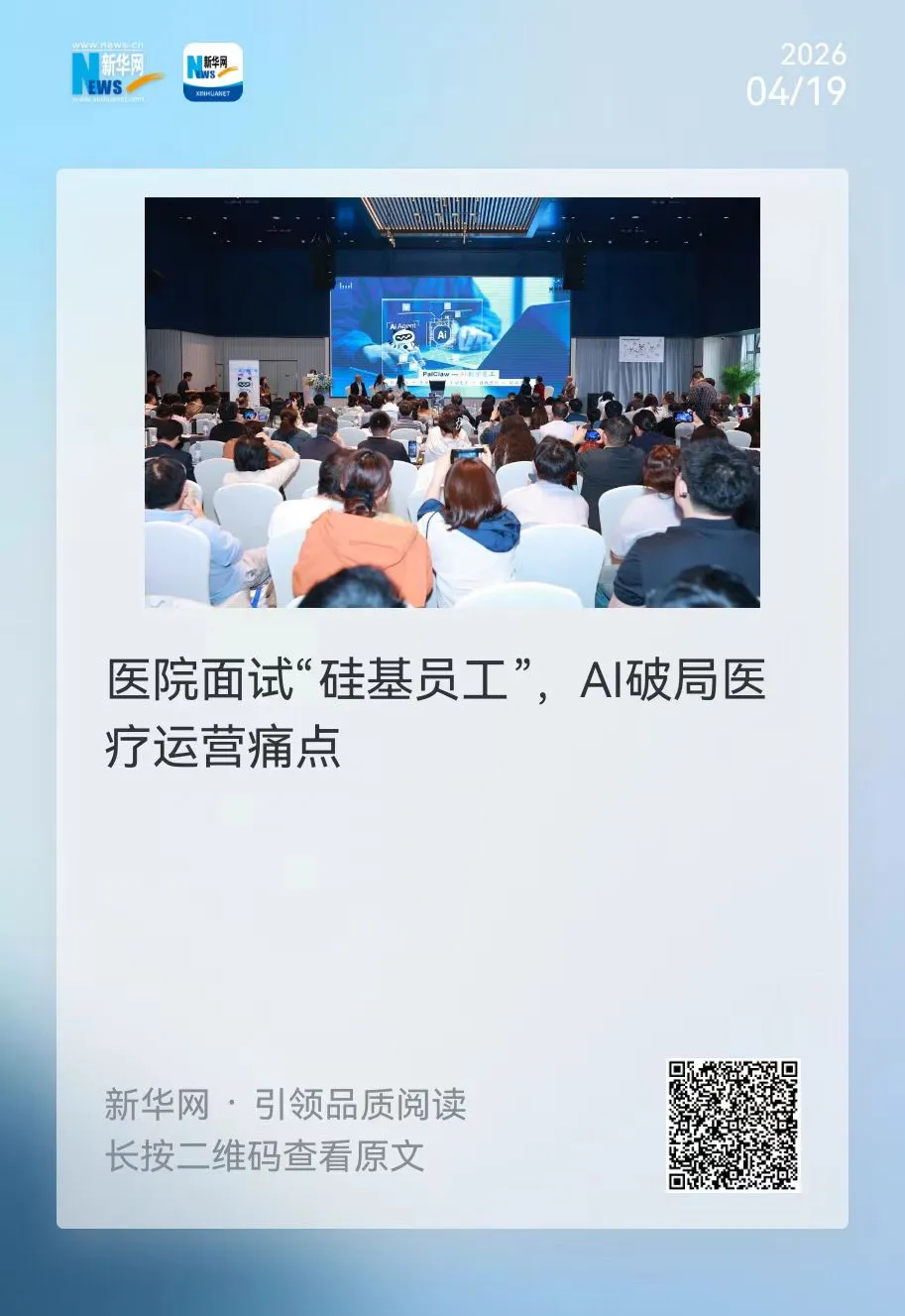
Palline presents PalClaw at a seminar on multi-agent AI and value-based healthcare
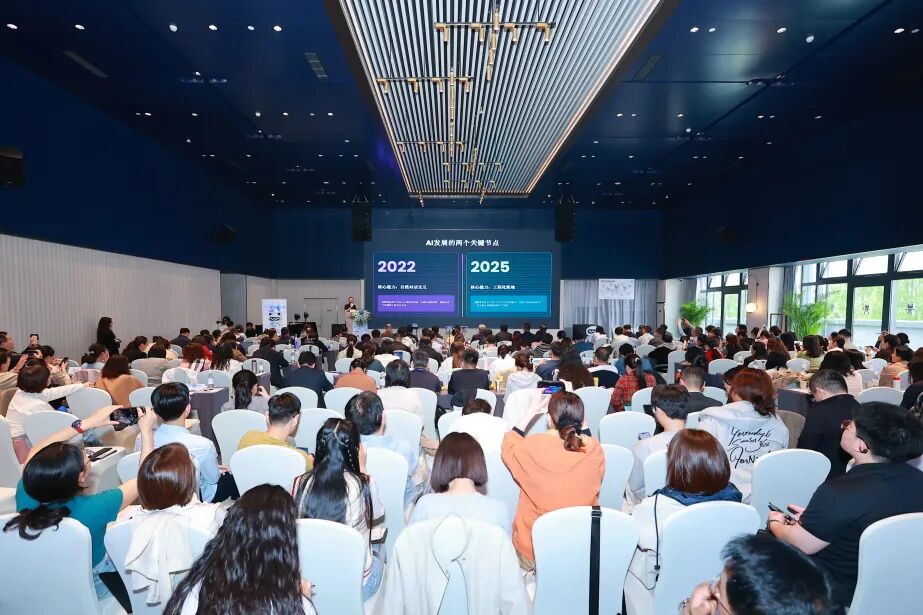
The event attracted over 300 attendees from more than 100 medical institutions, technology partners, professional investors, and media outlets. Coverage was provided by Xinhua Net, The Paper, Hong Kong Mirror Post, Sina Finance, and Toutiao, together with Bluerun Ventures, HIT Experts Net, Lujiazui Finance Net, and VCBeat.
Recently, the Seminar on Multi-Agent Collaboration Reconstructing Value-Based Healthcare was held in Shanghai. Themed "Opening a New Paradigm for Smart Specialty Operations – End-to-End Assurance of Volume, Price, Quality and Efficiency", the event saw the launch of the PalClaw 7x24 AI Agent Workforce (a task-driven hospital operations command centre). Coverage was carried by Xinhua Net, The Paper, Hong Kong Mirror, Sina Finance and Jinri Toutiao, together with vertical platforms including Bluerun Ventures, Hitexpert, Lujiazui Finance, VCBeat, Smart Healthcare Network, Minsheng Net, Dingduan News and Eastmoney.

The PalClaw "interviewed" on site was designed from long-term service insight drawn from over 700 customer institutions. It can interface rapidly with the core systems already deployed by a hospital and progressively carry out operations such as "identifying existing demand, generating communication templates by category and arranging appointments proactively", with security safeguarded through data desensitisation and access control. The event drew more than 300 attendees from over 100 medical institutions, technology partners, professional investors and media representatives for on-site experience and exchange.
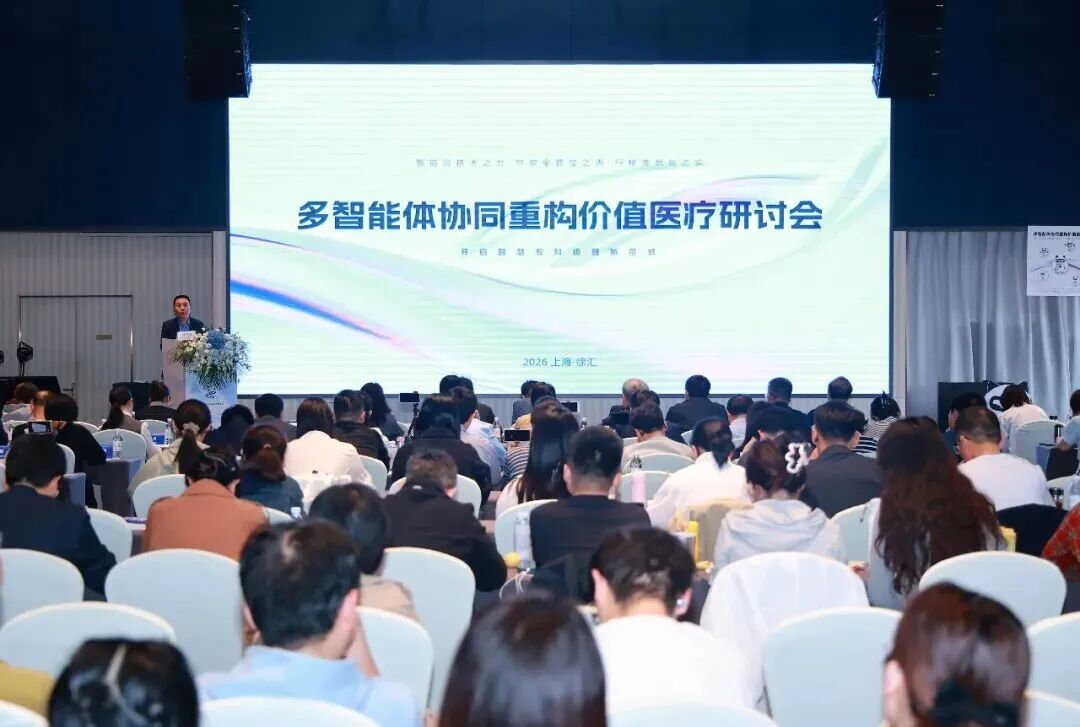

Multi-Agent Collaboration Reconstructing Value-Based Healthcare
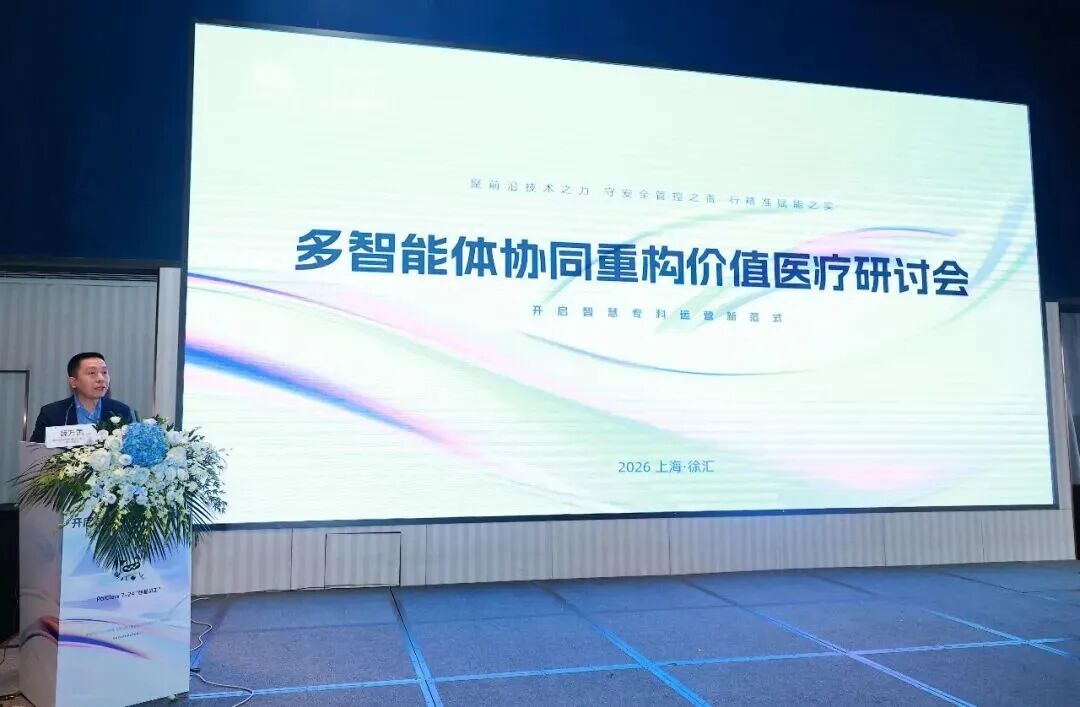
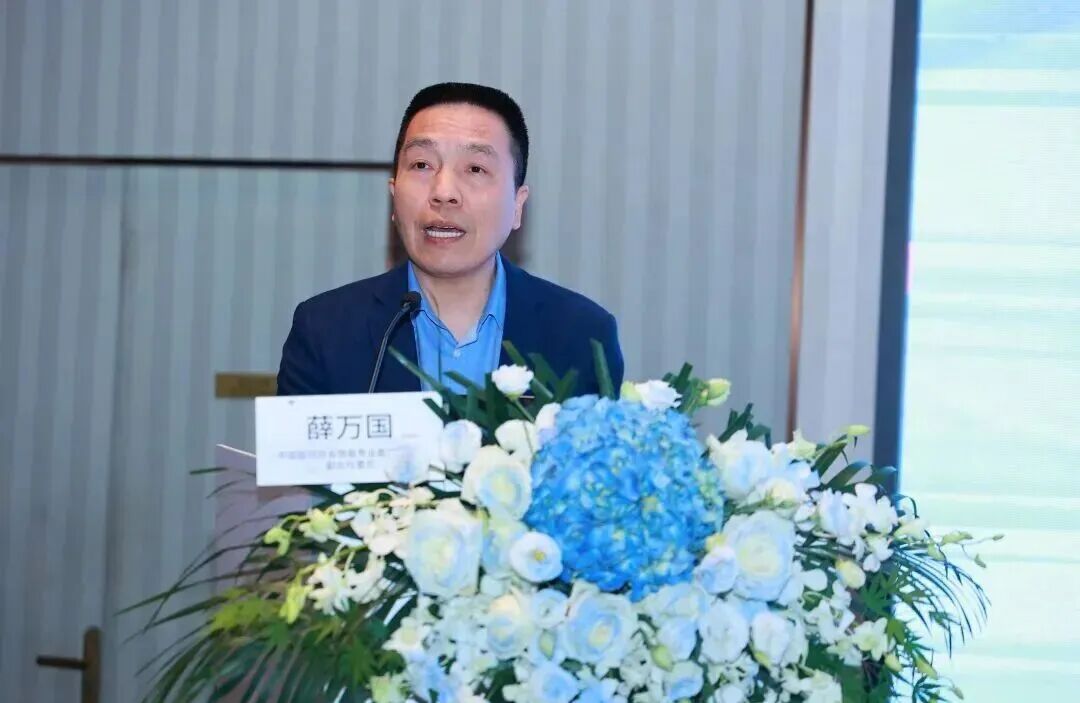
Xue Wanguo, Vice Chair of the Information Professional Committee of the Chinese Hospital Association, noted in his address that information systems now broadly cover the business processes of hospitals, and that the focus of informatisation has shifted from data collection to data governance. Informatisation in specialty operations has long faced bottlenecks such as knowledge barriers and a shortage of cross-disciplinary talent, while the rise of artificial intelligence offers a new path to data-driven hospital operational decision-making.

Zhu Xiaobing, Founder and Editor-in-Chief of Hitexpert, hosted the conference. Drawing on deep industry insight and sharp on-site control, Zhu linked the technology demonstrations with the exchange of ideas and guided participants into the deeper issues of AI application.
Multi-Agent Collaboration Reconstructing Value-Based Healthcare
Wang Zhigang, Founder and General Manager of Palline, observed that evidence-based management must pursue not only efficiency but also outcomes. In a non-linear world, however, no linear optimum exists. Confronted with the current technological renewal of production factors, managers need the ability to formalise strategic intent into executable inputs and translate management requirements into strategic intent and constraints that can be input. The AI Agent Workforce can invoke the relevant Skills, integrate complex information, call on the corresponding tools, and thereby formulate an overall optimal plan covering multiple dimensions and all elements, generating new "SOPs" for use by other agents or human employees, and continuously refining precision strategies for delivering medical value.

PalClaw, the "super entry point" AI autonomous agent for hospital operations management and the optimisation of medical resource allocation, has been officially launched. Built on the Harness framework, PalClaw establishes the foundation for hospital AI agent governance and data integration, bringing the evidence-based operations era powered by the AI agent workforce into practical application.
Palline
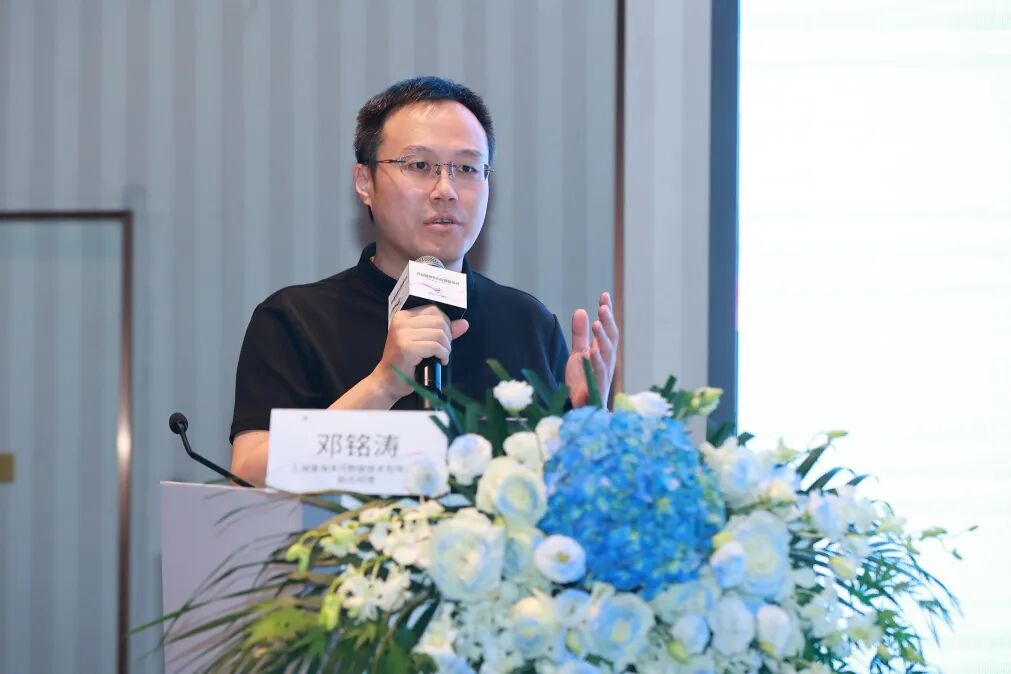
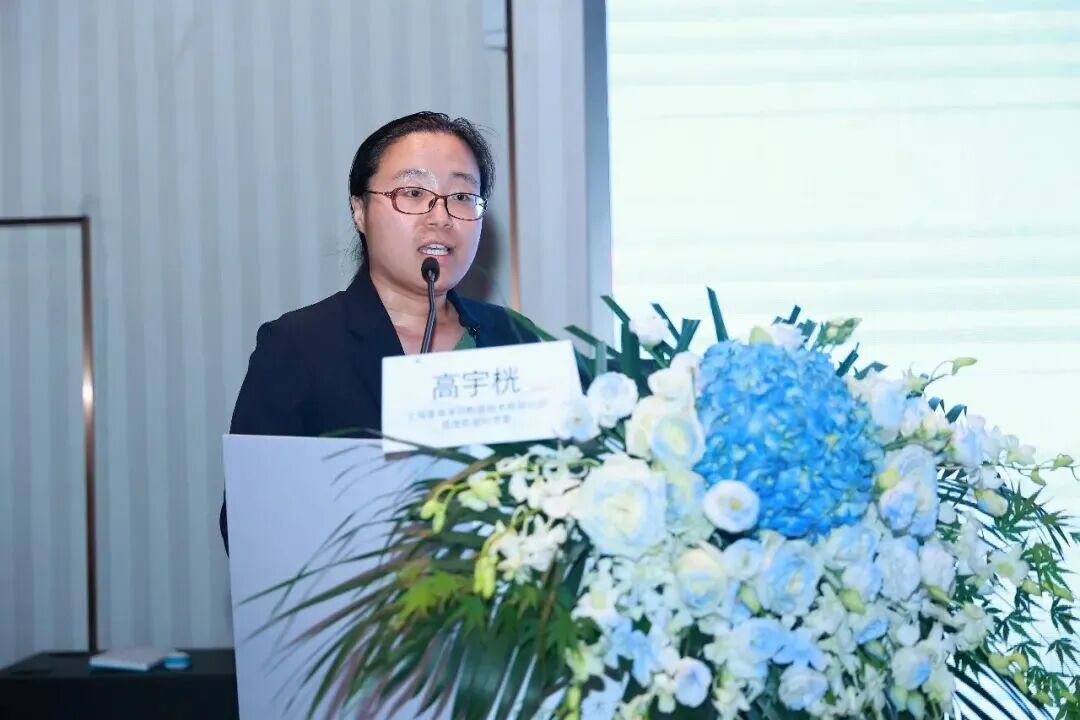
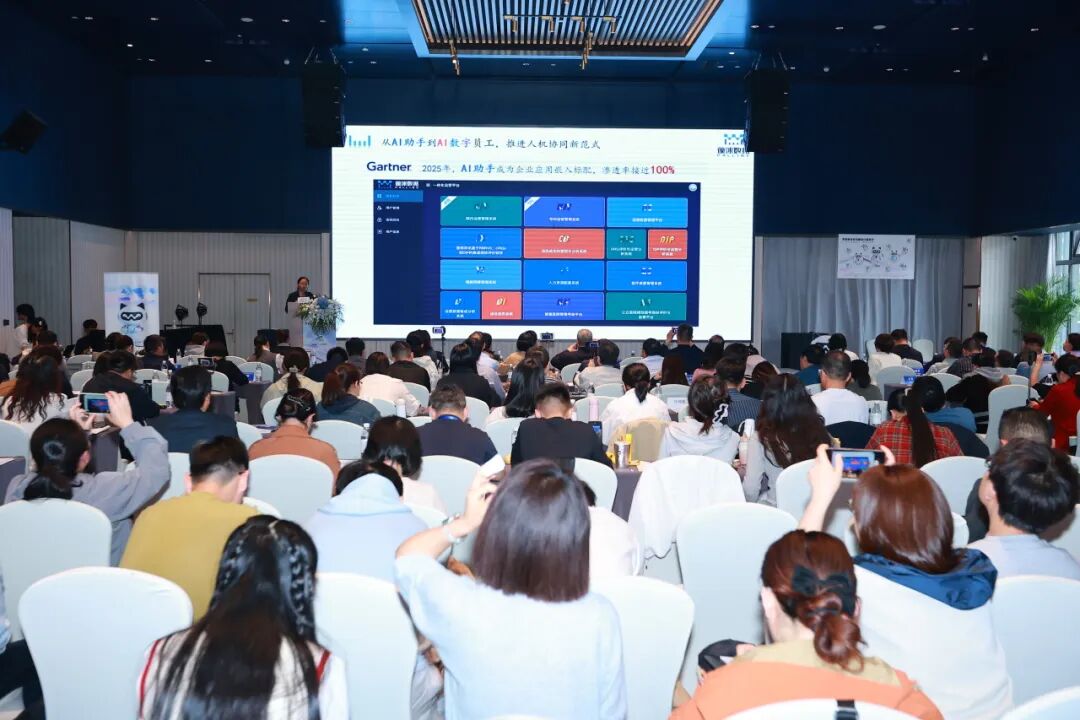
The Palline R&D team systematically unpacked the technology around the efficiency bottlenecks and management pain points that genuinely exist in medical operations. Unlike traditional passive-response chatbots, PalClaw takes task-flow interaction as its core paradigm. Through a technical architecture of "control hub + legacy/AI-native dual-track agent network + Skills network", it delivers end-to-end autonomous execution from natural-language commands to professional-grade operational decisions. Its core barrier lies in engineering more than a decade of accumulated industry knowledge into reusable, composable and evolvable Skills units, enabling AI to truly "understand healthcare and operations". The dual-track integration of legacy system encapsulation and AI-native agents both protects existing IT investments and delivers seamless collaboration between old and new capabilities. PalClaw can move through the five levels of hospital operations management maturity and serve as a 7x24 online "digital employee", redefining the interaction paradigm from "people operating software" to "people directing digital employees".
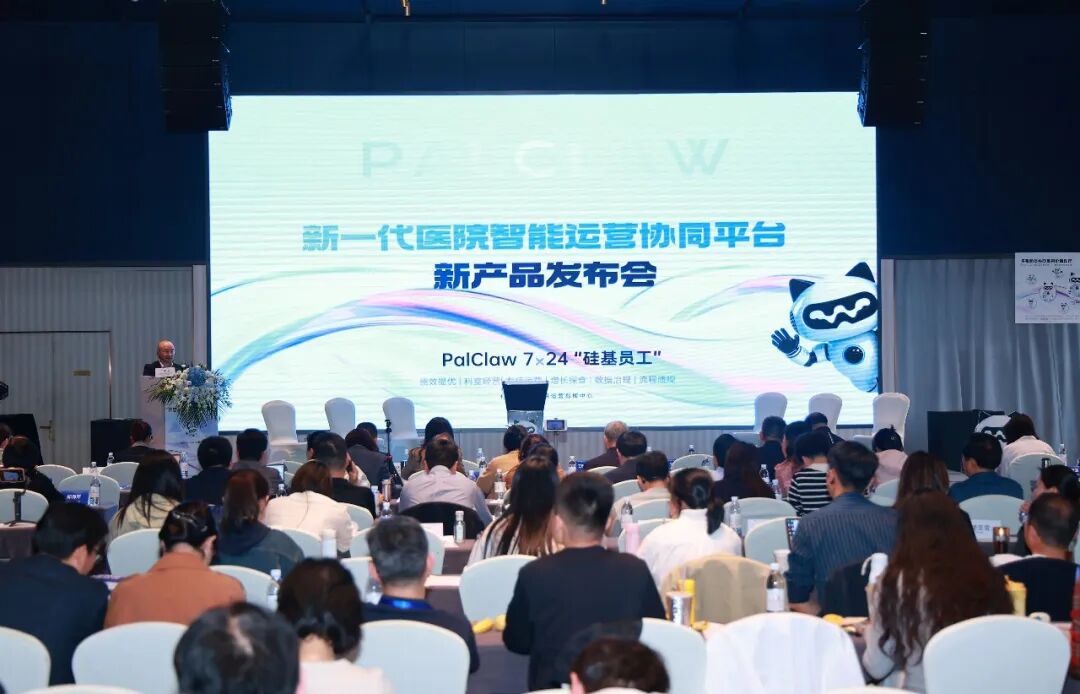
Multi-Agent Collaboration Reconstructing Value-Based Healthcare
In the "On-Site Dispatch" segment, in which participants engaged the AI agent workforce in an interview-style challenge, four hospital guests acted as "interviewers". Under the host's guidance, they posed a series of questions to PalClaw Performance Edition. Faced with difficult questions such as "surgical performance reform" and "performance allocation under the attending-physician accountability system", PalClaw accurately understood the complex management intent and answered "Should a given hospital roll out day surgery at weekends?" on the spot: "My core recommendation is that, at this stage, a dedicated weekend-surgery incentive should not be introduced, primarily because the key precondition for weekend surgery is that weekday surgical capacity is already saturated…" A complete plan was generated synchronously on the big screen, with the logic and supporting data laid out clearly.
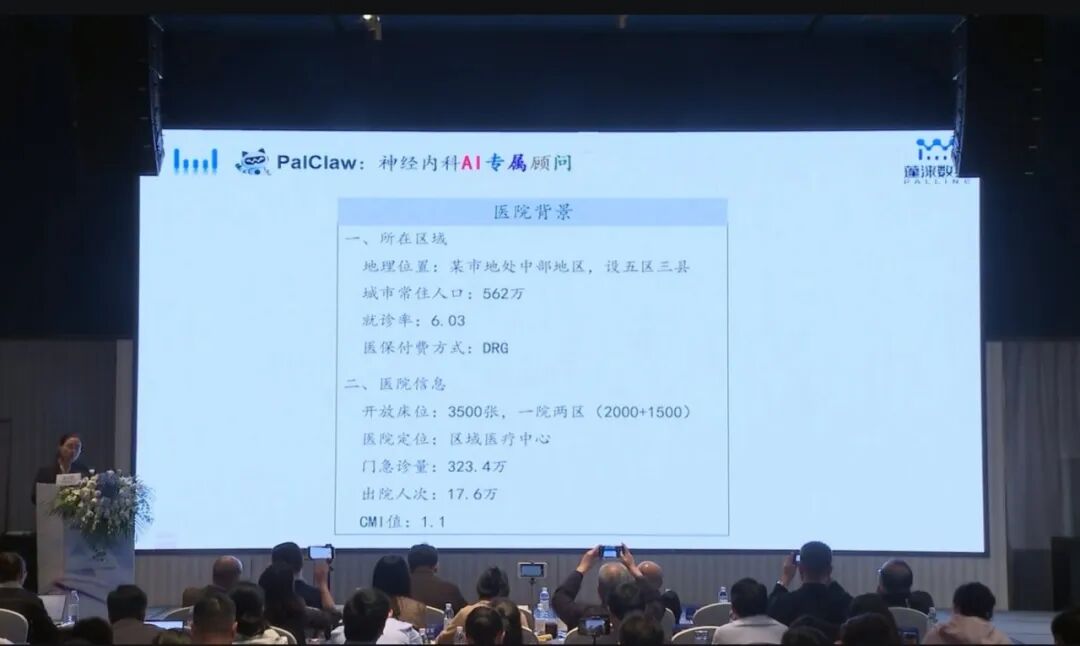

PalClaw proposed recommendations grounded in data-driven reasoning, such as breaking down the ADRG case group structure, identifying diagnostic business growth points, setting up dedicated monitoring tasks and synchronously planning department workforce and equipment resource allocation, demonstrating the logical reasoning capability of AI when addressing non-standard management challenges and bringing the event to a climax.
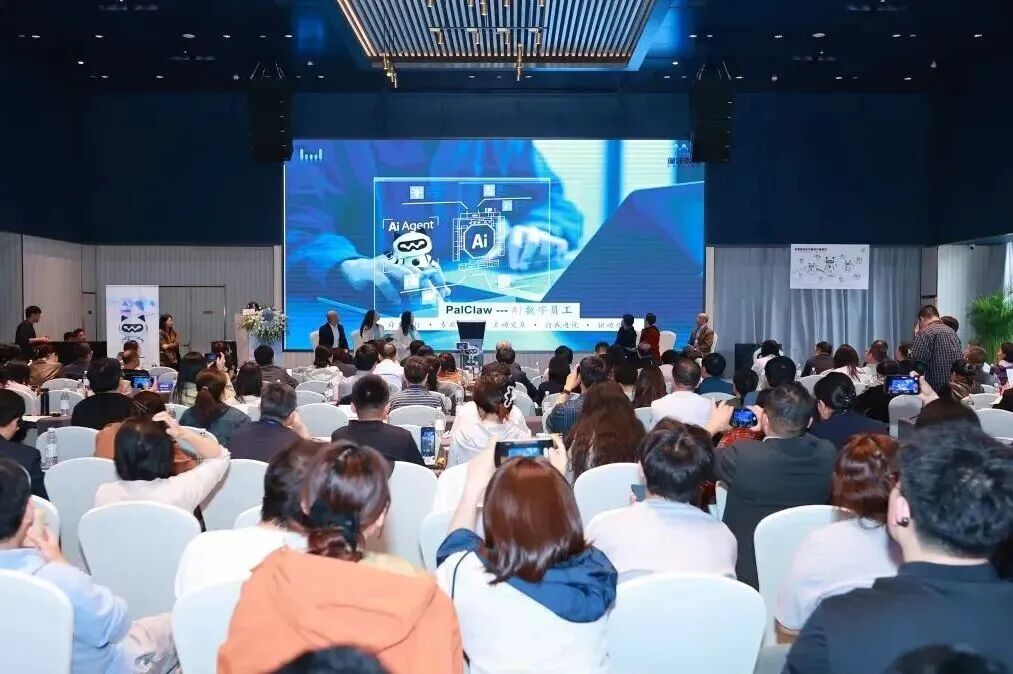
The final case demonstration used cardiology as the sample to recreate the concrete path of evidence-based operations and develop a revenue-growth path centred on "adjusting structure and building incremental volume". With the support of the specialty-disease operations management agent, managers can carry out operations such as "identifying existing demand, generating communication templates by category and arranging appointments proactively", extending personal specialty expertise from the clinical side to the operations side and turning specialty-disease management into an executable chain from identification to conversion.
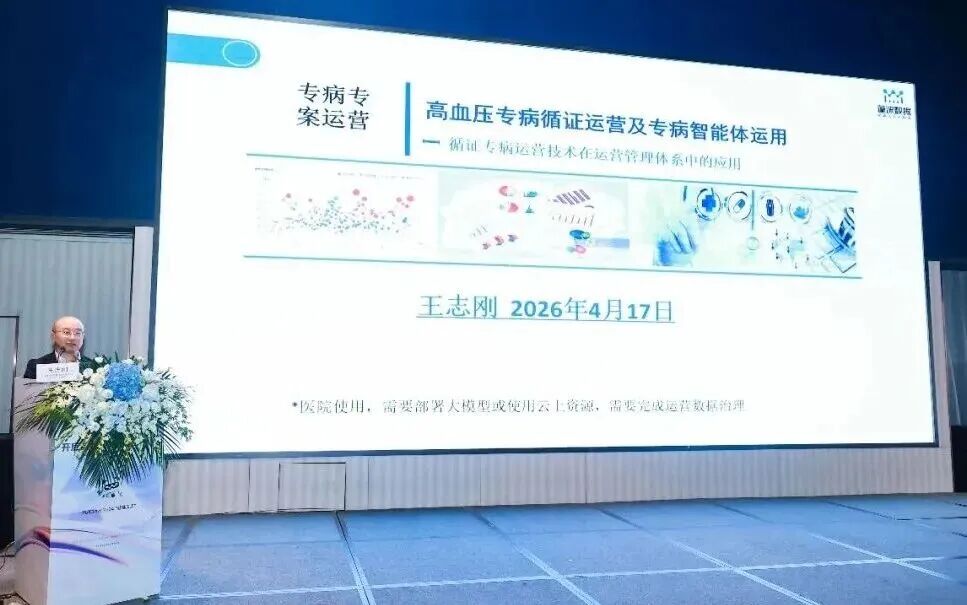
Multi-Agent Collaboration Reconstructing Value-Based Healthcare
Bringing together frontier technology, upholding the responsibility of security control and delivering precise empowerment. Data is the cornerstone of AI development, and Palline's decade-long, day-by-day focus on the hospital data domain is what has enabled it to release that energy in the AI era. Palline will rapidly advance product iteration on the basis of on-site feedback and work alongside medical institutions and partners to ground every capability firmly in the real scenarios of more hospitals.
Recommended ReadingXinhua Net | Hospitals "Interview" the AI Agent Workforce as AI Tackles Pain Points in Medical Operations