
AI for hospital and department management at the 15th China Hospital Presidents Conference
The core bottleneck constraining precision management in hospitals — 'having data but not knowing how to use it, wanting to use it well but lacking talent' — has placed the digital transformation of hospitals in a dilemma. Going forward, a digital and intelligent operations system empowered by AI should be built, and AI agent technology, as an assistive tool, is offering new possibilities for medical operations management.
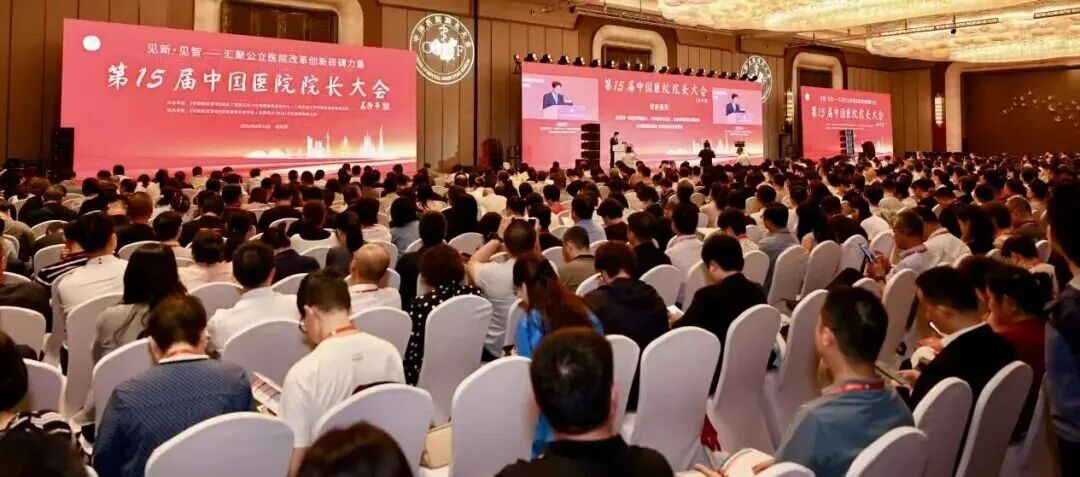
Held on 15–16 August 2026, the 15th China Hospital Presidents Conference took place in Harbin. Co-organised by the journal Chinese Hospital Management, the Heilongjiang Provincial Health Development Research Centre, and the China Hospital Development Institute of Shanghai Jiao Tong University, the conference adopted the theme "Seeing the New, Seeing the Smart: Mobilising Strong Momentum for Reform and Innovation in Public Hospitals." Aligned with the reform and development priorities set at the start of the 15th Five-Year Plan, the programme focused on public hospital reform and innovation, high-quality development, medical artificial intelligence, comprehensive value-based evaluation of health insurance, and digital and intelligent transformation. More than 3,000 party secretaries and presidents of public hospitals, as well as healthcare management experts from across the country, took part in broad-ranging discussions on public hospital reform, innovation, and high-quality development.
Plenary session

Parallel session: Towards New Productive Forces, Creating the Future — A New Paradigm for AI-Enabled Hospital Operations Management

Anchored in AI enablement and smart operations, the parallel session examined precision management of operations in public hospitals. Discussions centred on the National Assessment and health insurance payment reform, specialty-level management, human–machine collaboration, and institutional innovation, with participants jointly exploring practical pathways to high-quality operations in the digital and intelligent era. The session was co-chaired by Niu Xinqiao, member of the Party committee and chief accountant of the First Hospital of Jilin University; Liu Zhifeng, party secretary of the Heilongjiang Eye Hospital; and Tai Sheng, president of the Affiliated Cancer Hospital of Harbin Medical University.
▶ Session chairs
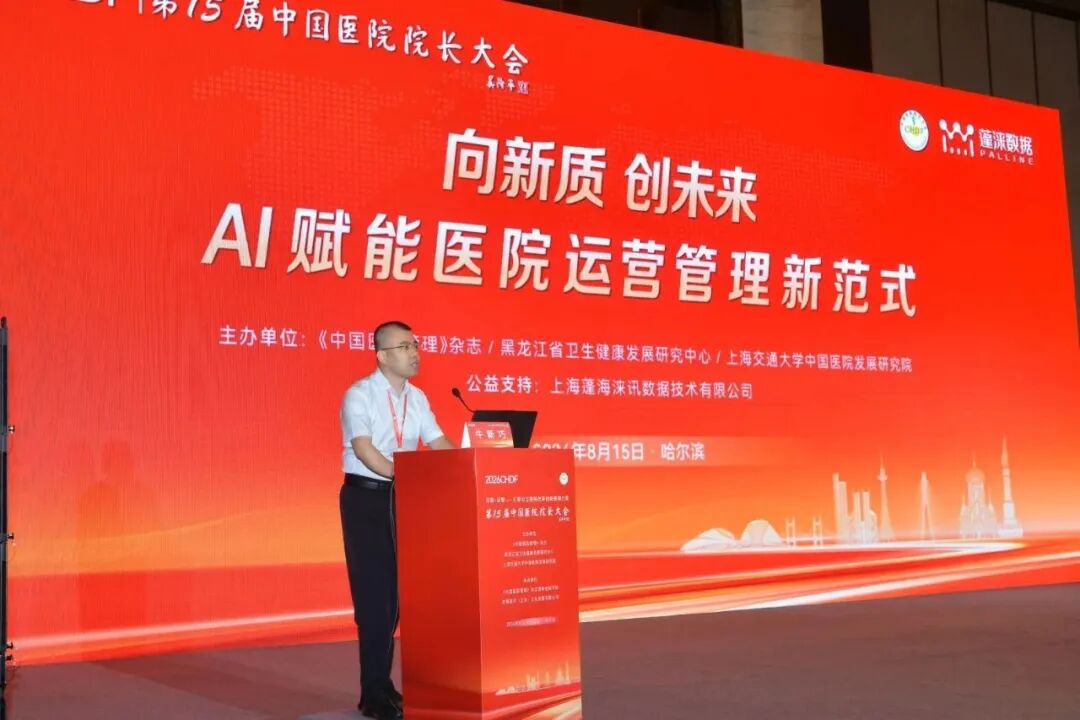
Niu Xinqiao, member of the Party committee and chief accountant of the First Hospital of Jilin University,noted that, against the backdrop of continued deepening of public hospital reform, operational management has become a pivotal lever for cultivating new productive forces in healthcare. The session brought together frontier practices in medical AI applications, smart operations, and international new-quality healthcare ecosystems, exploring new paradigms for operational management in the digital and intelligent era.
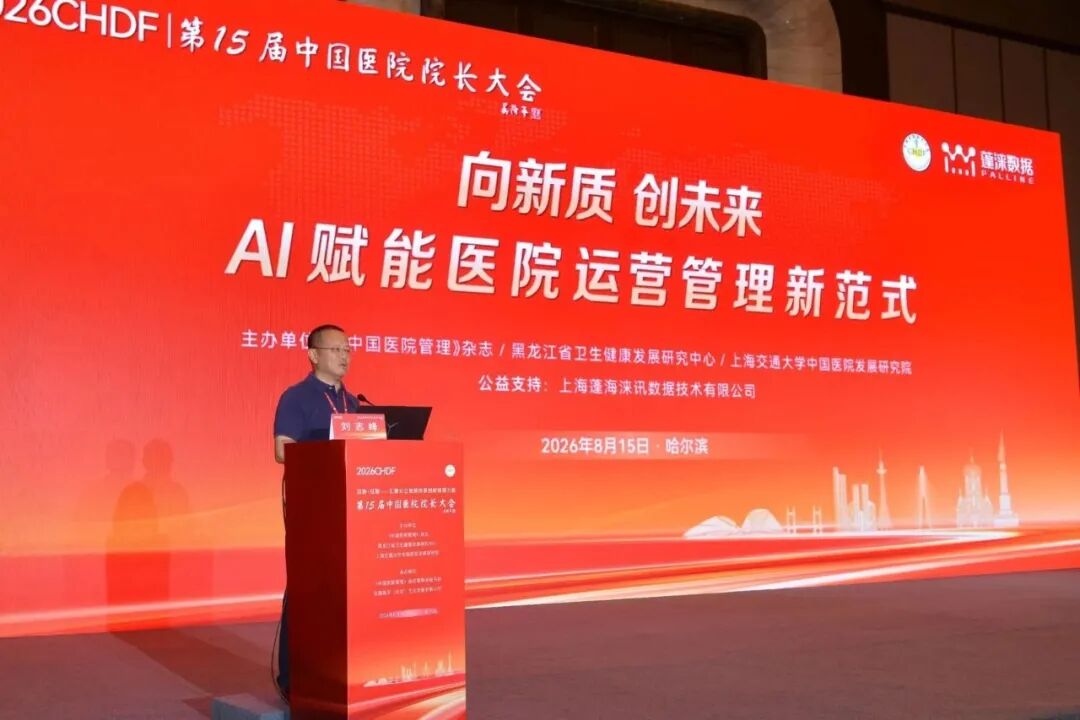
Liu Zhifeng, party secretary of the Heilongjiang Eye Hospital,emphasised that operational management must move from scale expansion towards lean value creation. The presentations focused on specialty-level precision management practice, with AI driving hospitals from a passive response to performance reviews towards proactive lean performance management.
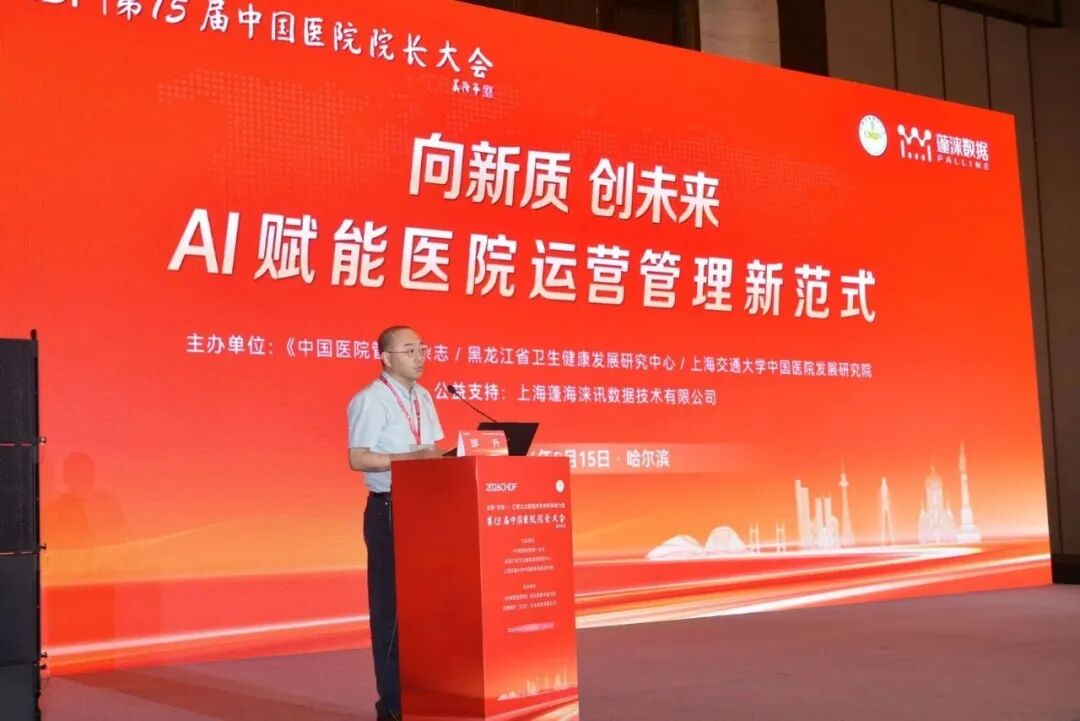
Tai Sheng, president of the Affiliated Cancer Hospital of Harbin Medical University, observed that operational management is shifting from a back-office support function to the forefront of value creation, and encouraged hospitals toadopt human–machine collaboration, institutional innovation, and specialty-level management as their main lines of effort, translating the integration of clinical and financial management into concrete practice.
Featured presentations included Shao Zhimin, deputy party secretary of Huadong Hospital Affiliated to Fudan University, on "AI Medical Applications and Smart Hospital / Smart Healthcare Practice Research";Cai Zhanying, member of the Party committee and vice-president ofthe Second Affiliated Hospital of Wenzhou Medical University, on "Smart Operational Management Practice in Public Hospitals under the 15th Five-Year Plan";Yang Renxuan, deputy party secretary and president ofShenzhen Pingle Orthopaedic Hospital (Shenzhen Pingshan District Hospital of Traditional Chinese Medicine), on "Practice of Integrated Operations in High-Quality Development of Specialty Hospitals"; Wang Chunming, head of the Smart Healthcare Development Division of Renji Hospital Affiliated to Shanghai Jiao Tong University School of Medicine, on "Building a Benchmark Hospital for a World-Class Medical Centre City — Constructing an International New-Quality Healthcare Ecosystem Powered by the Internet of Things, the Internet, and AI";Liu Kai, director of the Operations Management and Cost Control Department of the First Hospital of Jilin University, on"Practice of AI-Enabled Precision Operations Management Driven by the National Assessment and DRG";Zheng Haiping, director of the Operations Performance Management Office of Changzhou First People's Hospital, on"AI and Human–Machine Collaboration Empowering High-Quality Hospital Operations Management";Lu Changwei, chair of the Hospital Operations Management Committee of the Chongqing Hospital Association and director of the Operations Management Department of the First Affiliated Hospital of Chongqing Medical University, on"Value Innovation in Hospital Operations Management in the Smart Economy Era: Institutional Innovation and Technology Foresight"; andWang Zhigang, founder and general manager ofShanghai Penghai Laixun Data Technology Co., Ltd., on "Building a Digital and Intelligent Operations System to Support Specialty Capability Growth".
Presentation: "AI Medical Applications and Smart Hospital / Smart Healthcare Practice Research"
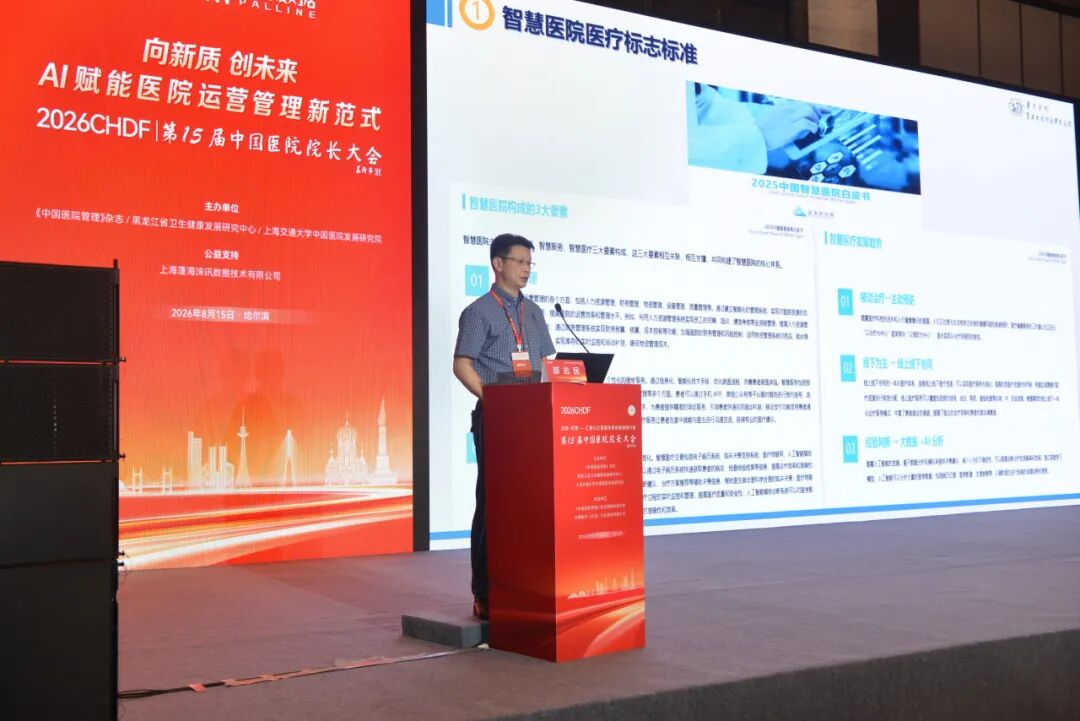
Shao Zhimin, deputy party secretary of Huadong Hospital Affiliated to Fudan University,noted that smart hospital construction should be guided by two objectives — technology demonstration and patient experience — with patient-centred care at its core. He described building an operations foundation driven by data, interoperable across systems, and free of information silos, so as to deliver personalised, precise, and widely accessible services. He observed that AI applications are moving from single-point tools towards a closed loop spanning prevention, treatment, rehabilitation, and management across the full care journey, and that hospitals should seize commercial operations as a key implementation focus. Twelve AI-assisted diagnostic items have already been included in the Category B reimbursement catalogue, opening pathways for the translation and scale-up of results. AI enablement depends on talent support, requiring systematic improvement of AI literacy and training among clinical staff. Specialty development should likewise build on AI's foundational computing power, algorithms, data assets, and scenario applications to enhance quality and efficiency across teaching, prevention, care, data, supervision, management, and evaluation. Using an early assisted diagnostic system for COPD as an example, he showed how earlier screening and diagnosis, combined with reduced rates of missed and incorrect screening, can improve clinical research efficiency and intervention value, offering a practical reference for the high-quality development of public hospitals.
Presentation: "Smart Operational Management Practice in Public Hospitals under the 15th Five-Year Plan"
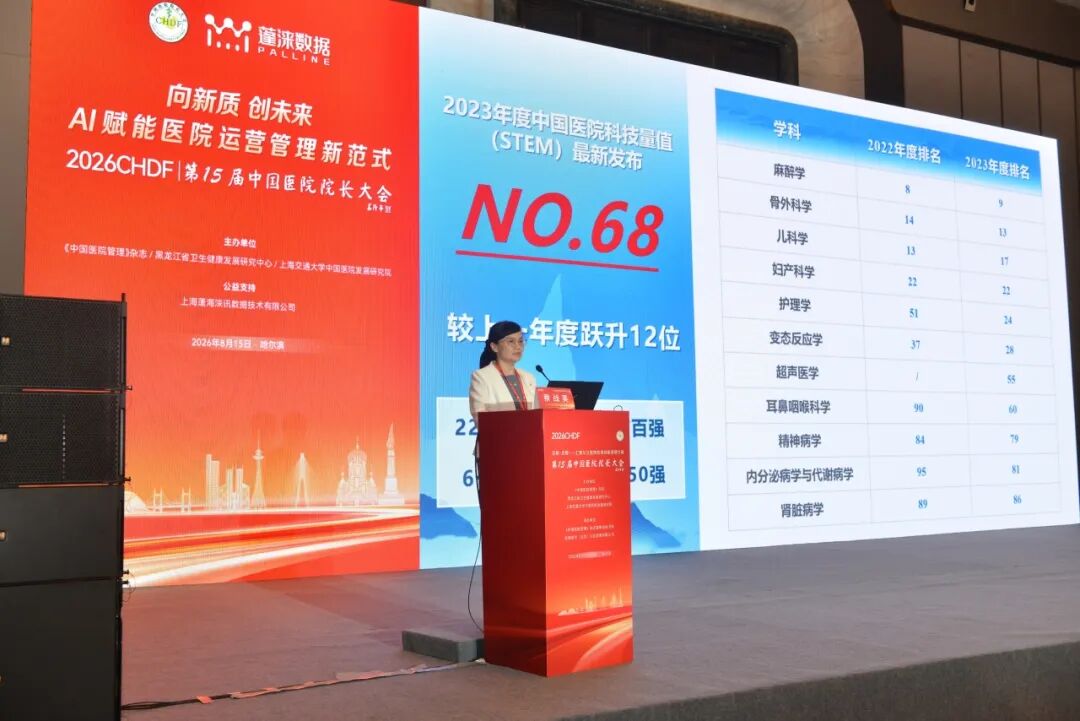
Cai Zhanying, member of the Party committee and vice-president of the Second Affiliated Hospital of Wenzhou Medical University, shared how the hospital has builta three-tier operations network spanning hospital, specialty, and sub-specialty levels. Guided by the five coordinated priorities of human-centred orientation, standardisation, precision management, digitalisation, and efficiency, the hospital has developed two parallel streams: clinical-department-led operations management (covering operations, performance, cost, and health insurance) and function-department-led economic management (covering budgeting, assets, procurement, and internal control). With AI enablement, dispersed data have been consolidated into a unified database to support operations analysis and decision-making. Performance management is oriented towards improving efficiency, adjusting case mix, and pursuing long-term development, with report-reading efficiency improved by nearly 20% and real-time aggregation and dynamic monitoring of secondary distribution achieved. Cost accounting extends from departments and procedures down to case types, enabling real-time alerts and process-based intervention. A smart internal control system for health insurance has been established to prevent missed charges and non-compliant billing. Budgeting advances through zero-based validation and process control. Asset management covers the full life cycle, while smart logistics leverages the Internet of Things and digital twins to enhance performance. These measures have driven sustained improvement in core operational indicators.
Keynote: "Integrated Operations in Driving High-Quality Development of Specialty Hospitals"
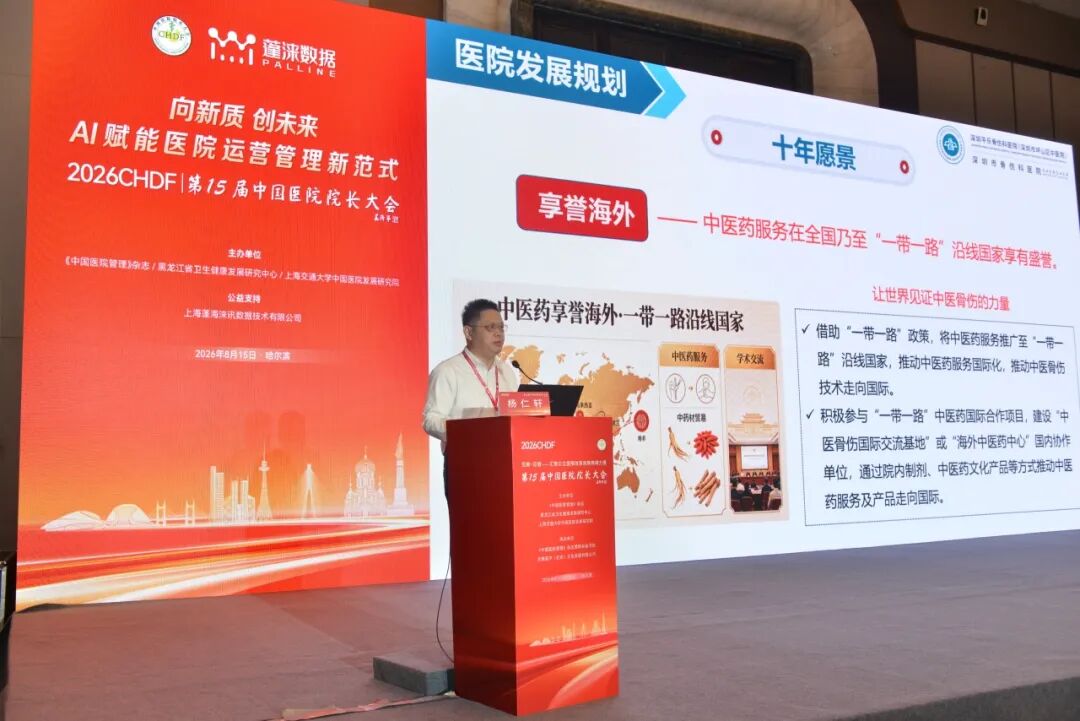
Yang Renxuan, Deputy Party Secretary and President, Shenzhen Pingle Orthopaedic Hospital (Shenzhen Pingshan District Hospital of Traditional Chinese Medicine)He proposed a framework centred on scale alignment, granular management, data-led decision-making, dual-driver performance management, health-insurance-based clinical pathways, and full-cycle management, and applied it to every department, clinician, and case type. The hospital has developed profiles for its multiple campuses and community health stations, centralising ten community health stations under a single legal entity to bring primary-care services into the operational closed loop. It has built a disease-specific database, applied AI to supervise core institutional processes, and used data to lead operational decision-making. The performance scheme highlights the characteristics of both Chinese and Western medicine: performance baselines are set for conservative orthopaedic treatment departments, and tiered incentives are aligned with RBRVS and the complexity of robotic surgery. In parallel, the hospital has implemented health-insurance-based clinical pathways and established specialty disease centres such as a spine centre to avoid homogenisation. Research is centrally coordinated, with the President's Fund channelled towards R&D and translation in orthopaedic surgical robotics, building a refined specialty hospital model defined by "appropriate scale, precise management, efficient operations, and distinctive specialties".
Keynote: "A Benchmark Hospital for Building a World-Class Medical Centre City: Building an Internet/IoT + AI-Based International New-Quality Healthcare Ecosystem"
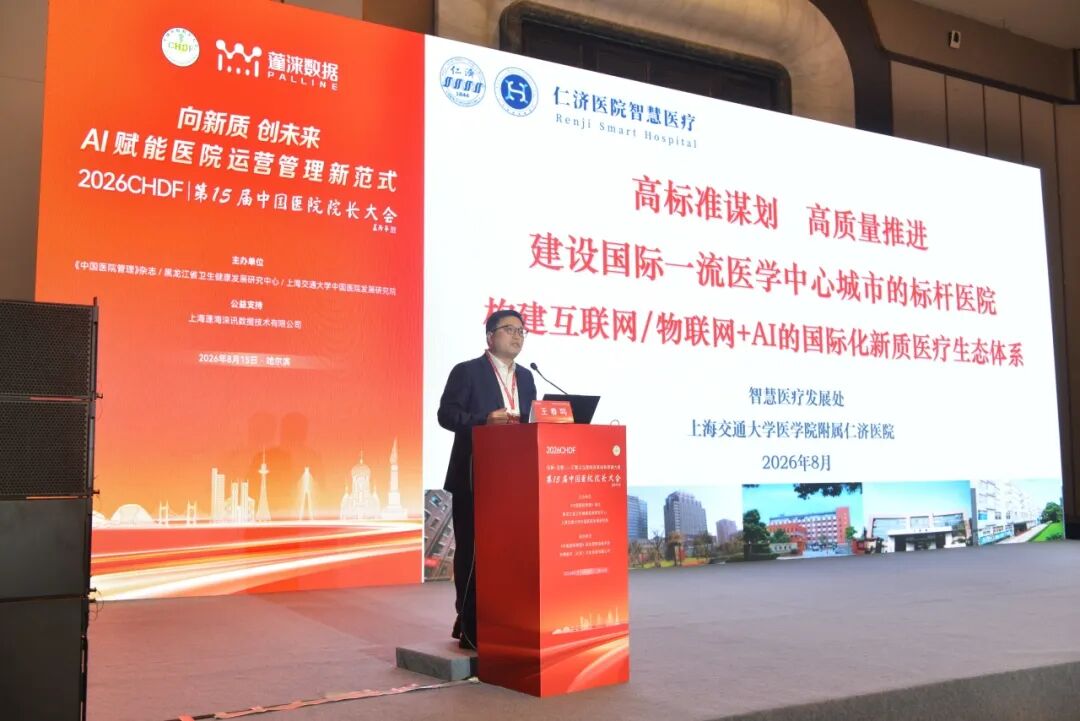
Wang Chunming, Director of the Smart Healthcare Development Office, Renji Hospital Affiliated to Shanghai Jiao Tong University School of MedicineHe shared Renji Hospital's exploration of an "Internet + IoT + AI" international new-quality healthcare ecosystem. By overlaying AI on the hospital's three network layers, the hospital advances the construction of a new-quality healthcare system around the "three I's"integrated, intelligent,and international. The Smart Healthcare Development Office, led by the President, coordinates horizontally with 16 administrative departments and vertically with 54 clinical specialties. The Internet Hospital has evolved to version 5.0, with more than 8 million registered patients and over 14 million cumulative visits. The operations network, built on an RBRVS performance system, integrates human-resource, financial, and material data to underpin real-time operational analytics. The hospital has trained 19 AI agents; "AIDA", the physician assistant, supports consultations through a multi-agent workflow, and management agents enable departmental operations staff to access real-time analytics with a single click. The smart ICU, based on device-level connectivity, issues early warnings up to 30 minutes in advance, saving approximately 42,000 nursing hours per year — equivalent to 10 nurses — while the standardised mortality rate has fallen by 21.7% and bed turnover has risen by 18.2%. The hospital has also received the world's first DNV international certification for an Internet Hospital.
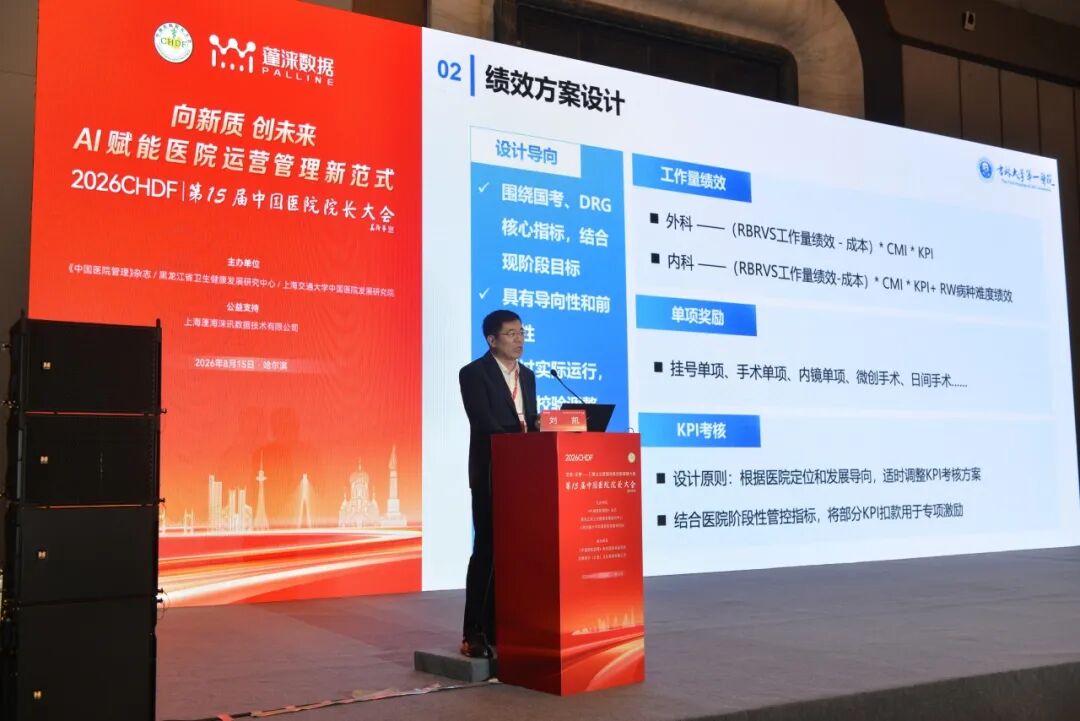
Keynote: "AI-Enabled Precision Operations Management Practice Under the Dual Drivers of the National Assessment and DRG"Liu Kai, Director of the Operations Management and Cost Control Department, the First Hospital of Jilin University, explained
how the Operations Management Committee and the Operations Management and Cost Control Department refine the performance scheme around the National Assessment and DRG core indicators: surgical specialties are assessed through RBRVS workload and CMI, with surgical tiers set at 4A/4B/4C, while internal medicine departments have added RW case-type difficulty assessment. Outpatient services are incentivised through appointments, early-morning sessions, and weekend clinics, with 100% of appointment incentives paid directly to individuals. The hospital has established a departmental KPI system covering medical affairs, health insurance, and research, and has piloted group-level performance allocation in selected departments. Cost accounting extends across hospital, department, medical team, and patient levels, with structured drill-down analytics supporting specialty development. Consumables management has produced notable results: total-amount controls have been applied to 43 surgeons each consuming over ten million yuan, accounting for 59% of hospital-wide consumables; following a briefing in thoracic surgery, average cost per case fell by 20% and consumables fell by 15%. Operating-room efficiency has been tightened in parallel, with the average length of stay reduced by 0.16 days, while AI delivers weekly operational data to support management.
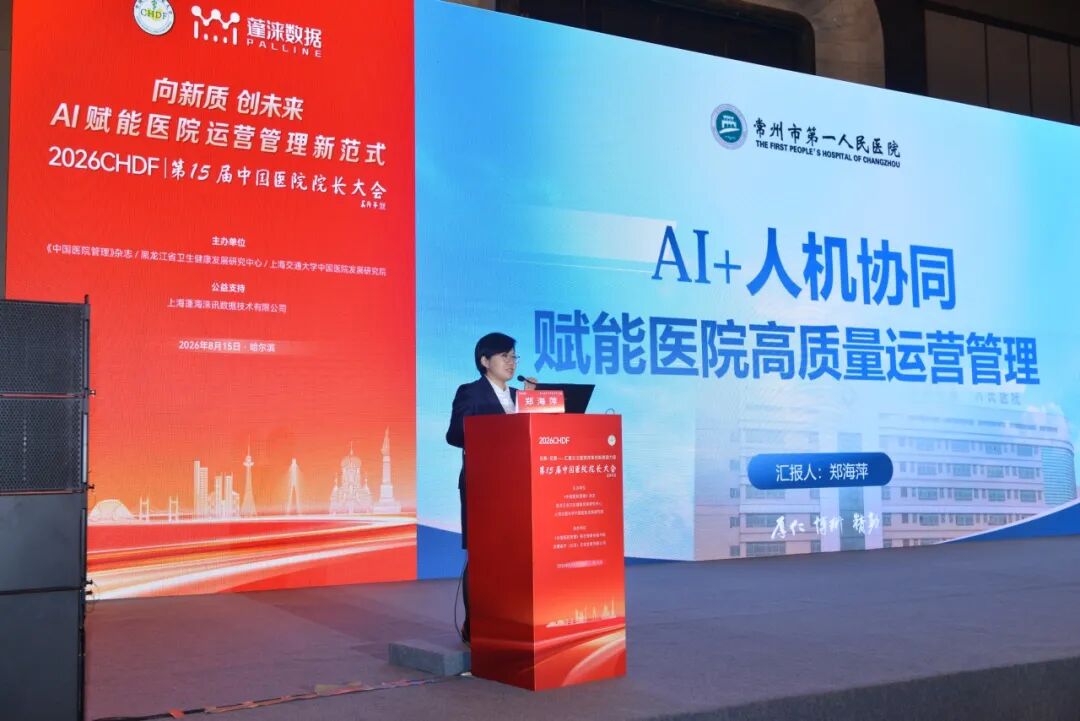
Keynote: "AI + Human-Machine Collaboration Empowering High-Quality Hospital Operations Management"Zheng Haiping, Director of the Operations and Performance Management Office, Changzhou First People's Hospital
She described how the hospital, with a grid-based team of clinical-specialty operations assistants as its pivot, recruited 12 part-time operations assistants over two years. Organised across three tiers — assistant, specialist, and supervisor — with a last-place elimination mechanism, the team is assessed across six areas in four dimensions, including capability building, learning and comprehension, data analysis, and innovation in role performance. Assistants are required to present in PPT format within departments and produce Word-based analysis reports, serving as a bridge between administrative functions and clinical practice. In parallel, an operations management information platform has been built, integrating multiple systems, unifying data standards, and configuring five visualisation dashboards. The platform enables one-click generation of operational analysis reports, automatic talent profiling, and on-premise deployment of AI agents. The hospital has established a standardised human-machine collaboration workflow: agents identify issues, operations assistants calibrate them, departments coordinate across functions, and the process closes with implementation and data review. The measures have produced visible results — CMI has risen to 1.29, effective revenue has increased year on year, and the share of drug and consumable costs has continued to decline.
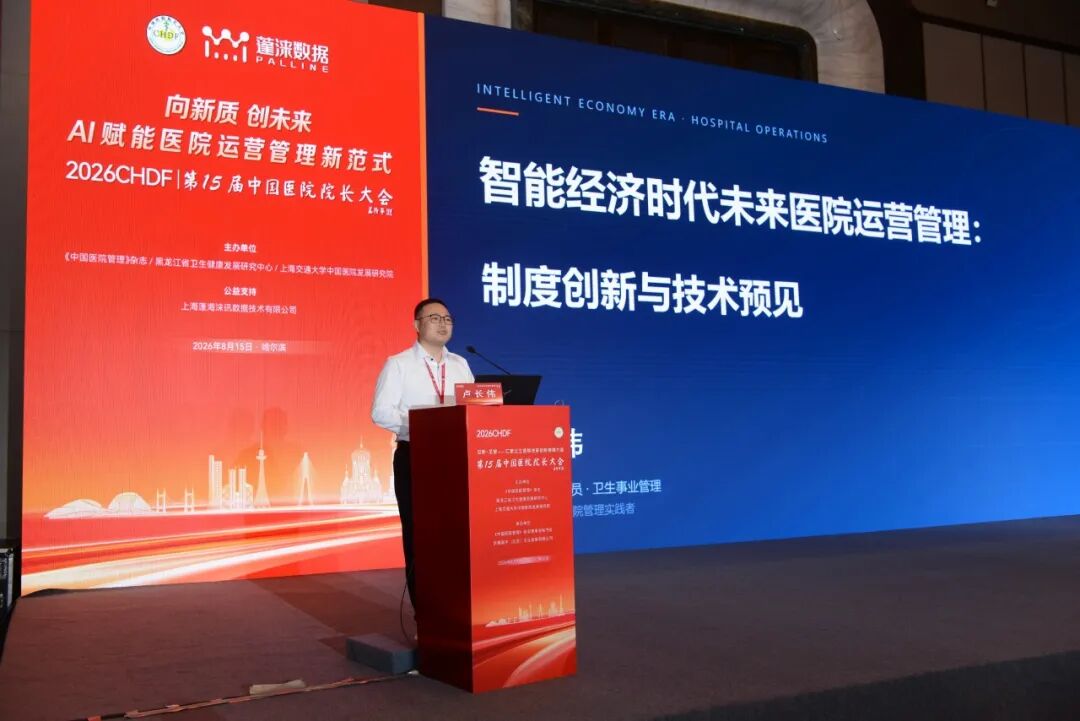
Keynote: "Value Innovation in Hospital Operations Management in the Intelligent Economy Era: Institutional Innovation and Technology Foresight"Lu Changwei, Chair of the Hospital Operations Management Committee of the Chongqing Hospital Association and Director of the Operations Management Department, the First Affiliated Hospital of Chongqing Medical University
shared his reflections on value innovation in hospital operations management from the perspective of the intelligent economy. He observed that, in the intelligent economy era, systems will become the principal actors in operations, with humans leading judgement based on experience and logic. Transactional tasks such as basic reporting will be handled by agents, while management roles will focus more sharply on analysis and decision-making. He argued that data is shifting from a cost centre to a revenue centre, and that hospitals should consider converting operational expertise and data assets into monetisable products and conversion revenue, building a "moat" around healthcare data. On institutional innovation, he advocated a four-in-one approach combining human-machine collaboration, real-time embedded governance, predictive operations, and dynamic organisation. He has established a "Value Innovation Laboratory" to validate uncertain decisions under the principle of "clinical questions, management policies, operational processes, engineering implementation", supporting major decisions such as a 48-bed reduction in cardiology through virtual simulation, and refining lean management down to the case-group level — providing a methodological reference for operational innovation.
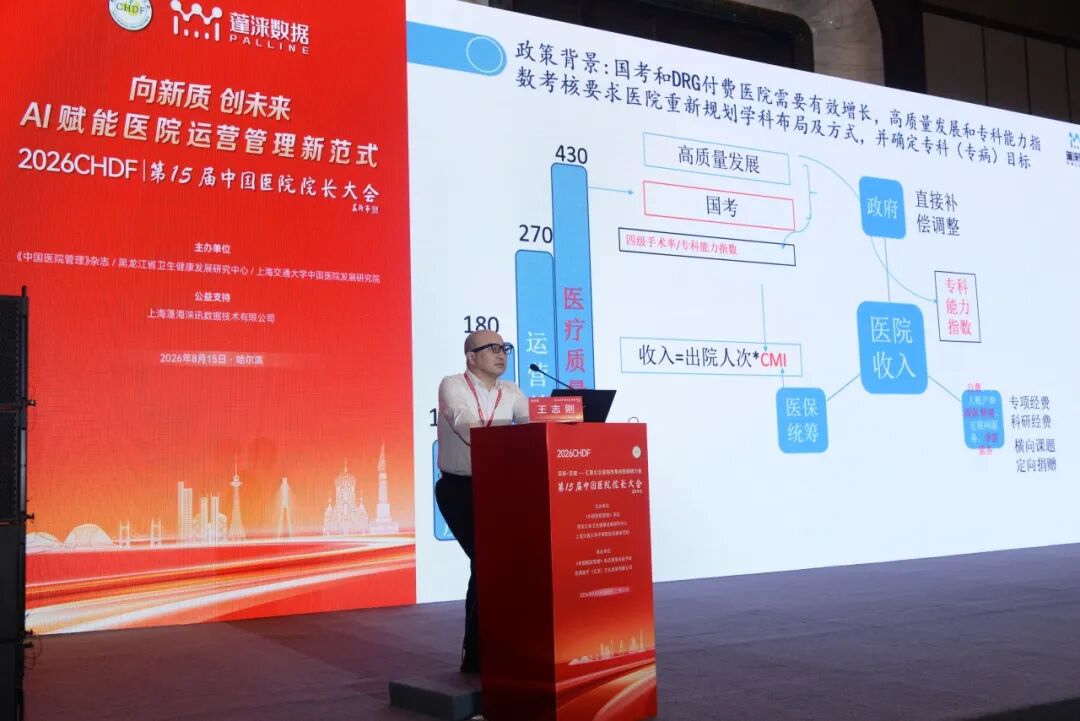
Keynote: "Building a Digital and Intelligent Operations System to Support Specialty Capability Growth"Wang Zhigang, Founder and CEO of Shanghai Penghai Laixun Data Technology Co., Ltd.
observed that "having data without the ability to use it, and wanting to use it well without the talent to do so" has become the core bottleneck constraining precision operations in hospitals, leaving their digital transformation caught between two dilemmas. Looking ahead, a digital and intelligent operations system led by an AI agent workforce should be built, with agent technology serving as an enabling tool that is opening new possibilities for healthcare operations management. He advocated starting from strategy decoding, using a "volume, price, quality, efficiency" benchmark analysis to clarify hospital positioning and case-group composition, and following a path of "efficient revenue generation, precise cost control, and sustainable development". In implementation, silicon-based productivity is unlocked through data governance, computing infrastructure, and algorithm iteration, while humans focus on intent expression and compliance oversight. Operations should become "evidence-based" — embedding clinical guidelines and quality-control rules into disease-specific operational SOPs and skills, and relying on a five-layer architecture of knowledge graph, indicator semantics, private data mapping, and Agent reasoning task flow to enable proactive anomaly detection, root-cause attribution, and strategy recommendations.
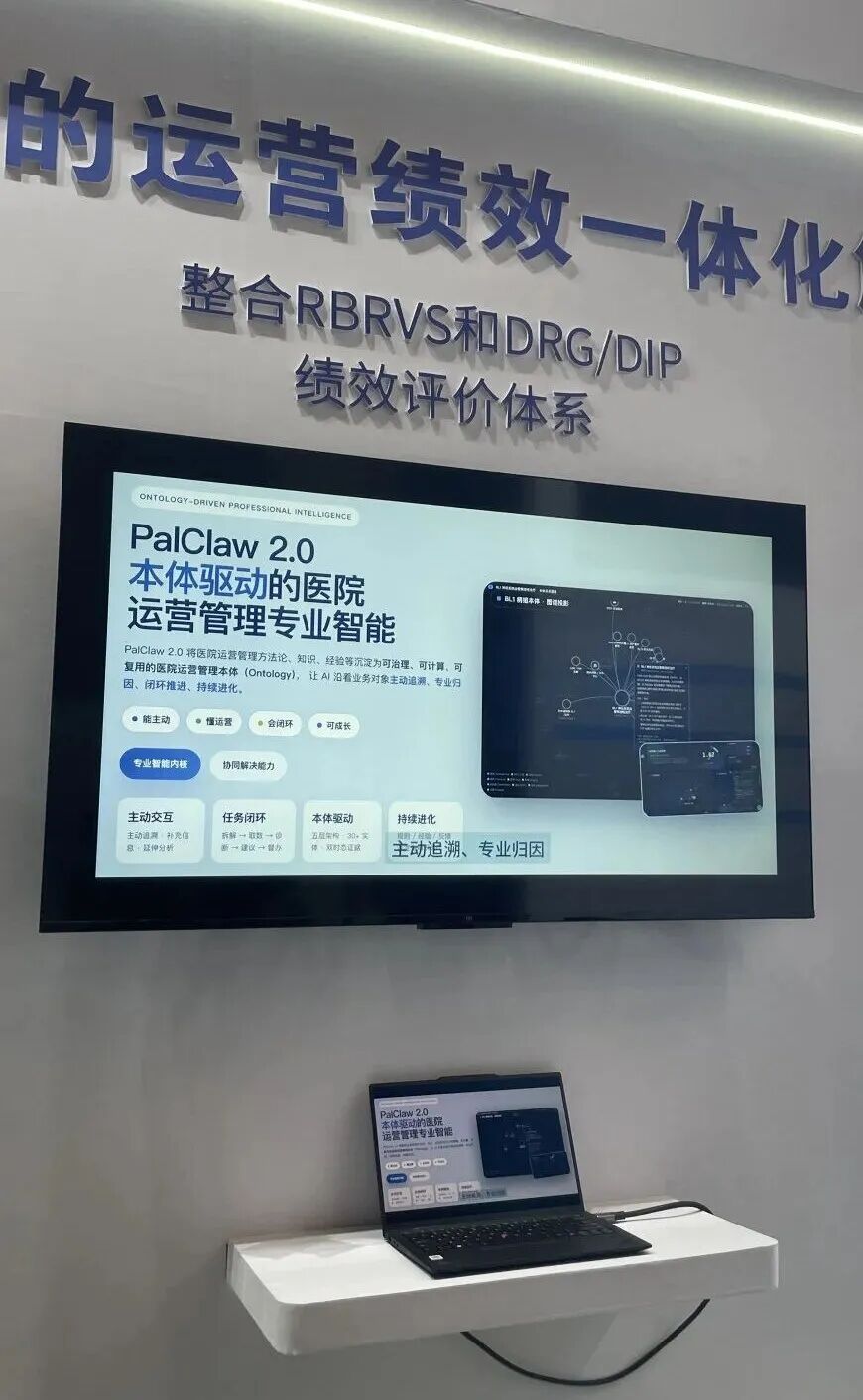
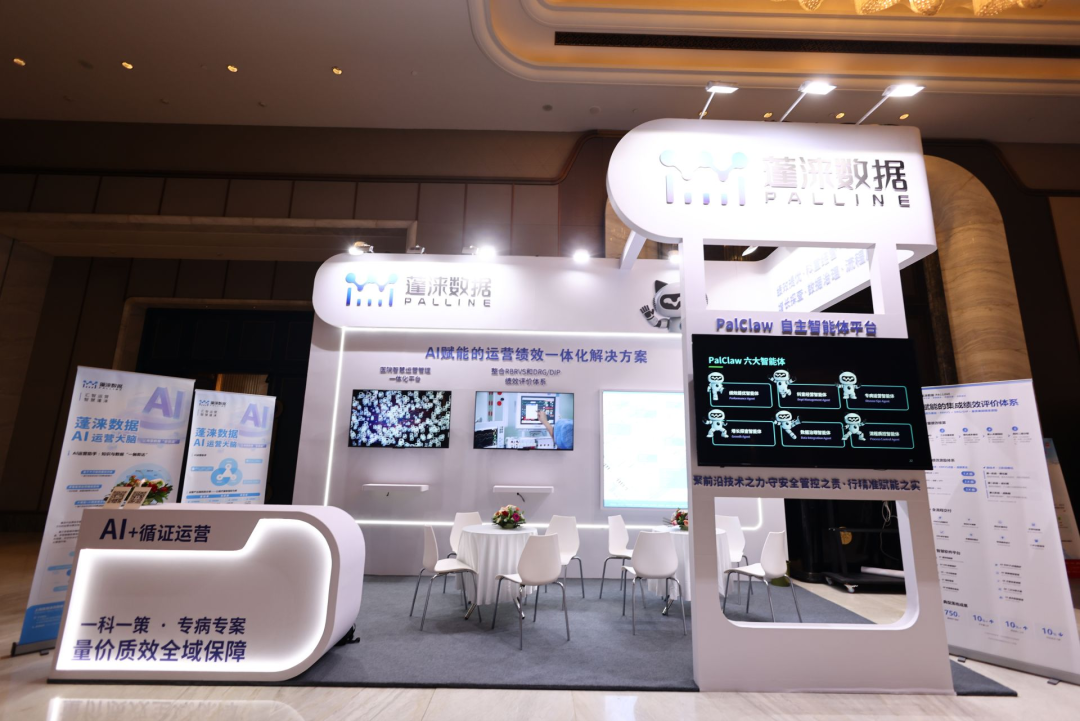
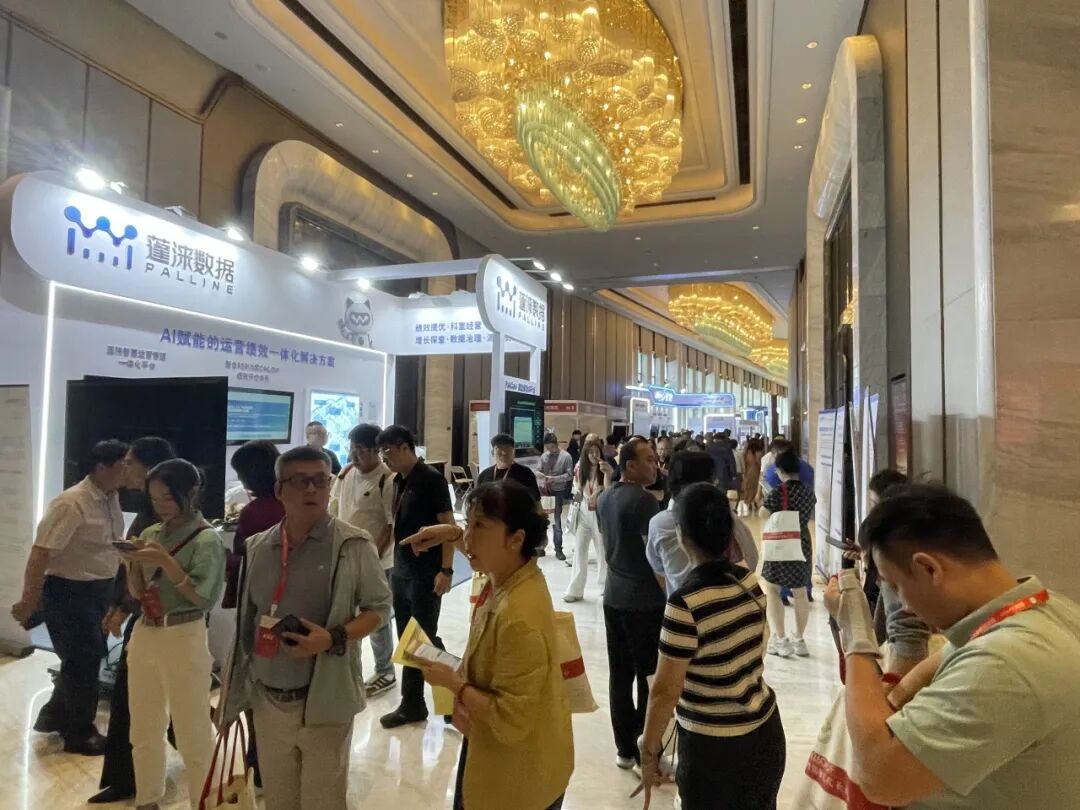
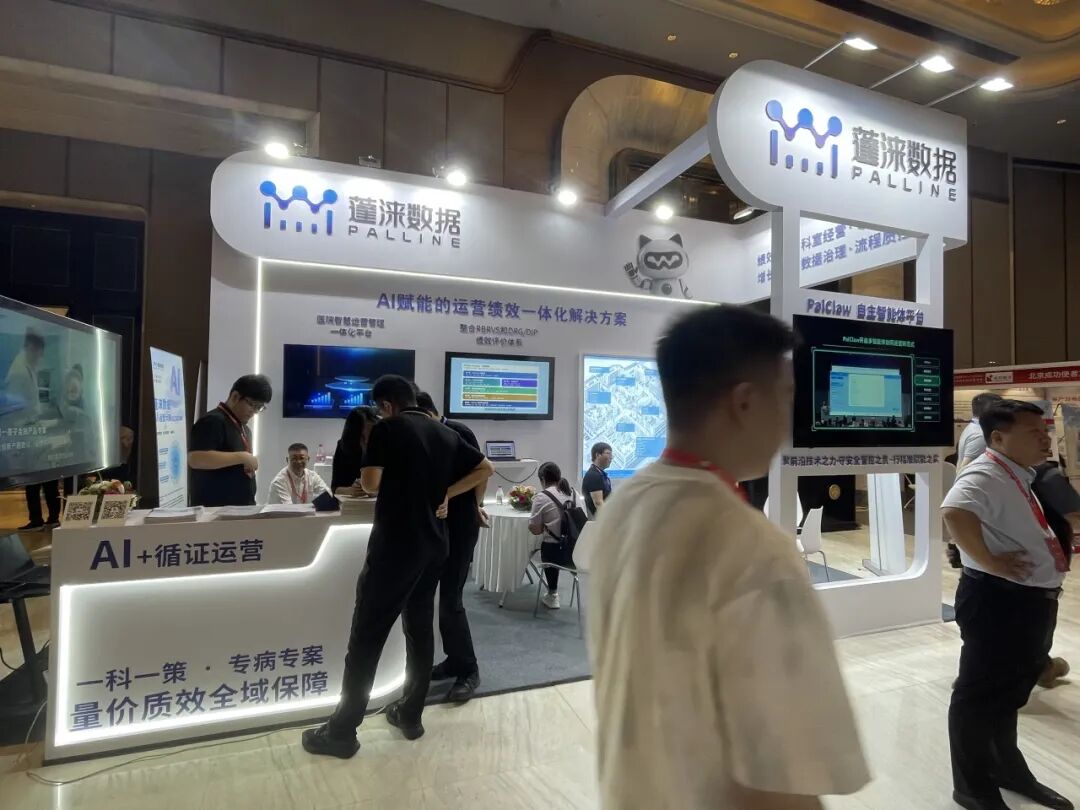
New Product Launch: PalClaw 2.0
| An AI-Enabled Integrated Operations and Performance Solution
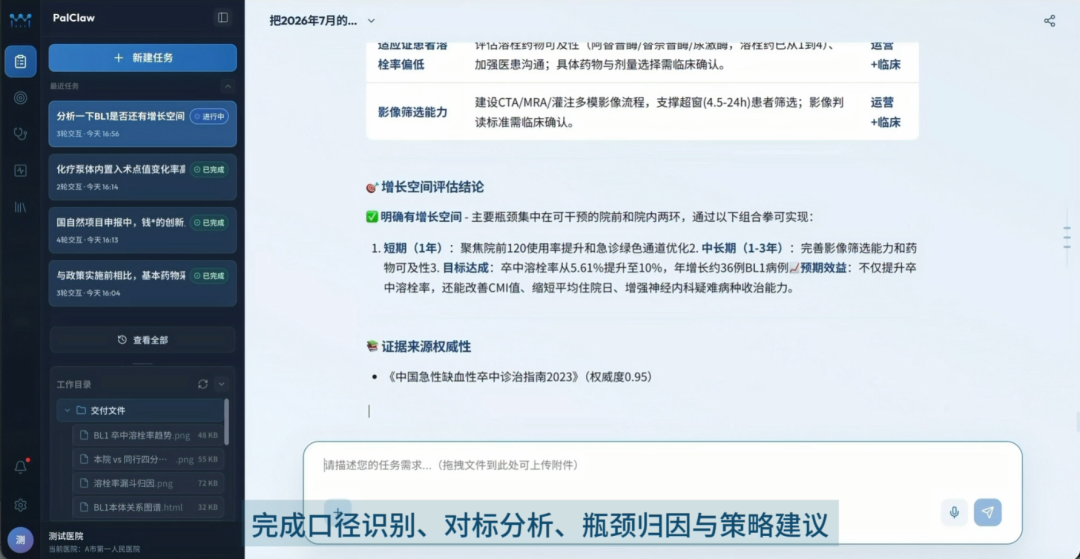
During the 15th China Hospital Presidents Conference, Palline officially released PalClaw 2.0 — an ontology-driven professional intelligence solution for hospital operations management. The product consolidates years of accumulated hospital operations methodology, knowledge, and experience into a governable, computable, and reusable operations ontology, upgrading AI from "able to execute tasks" to "proactively improving operations around defined objectives" — proactive, operationally aware, closed-loop capable, and continuously evolving, enabling a leap from manually organised analysis to intelligently driven progress, and helping hospitals achieve precision operations management that is faster, deeper, and more accurate.